
Foster Care Opportunities


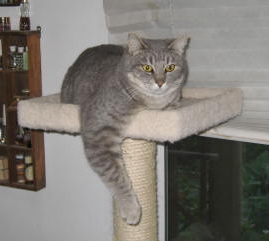
It has become a standard in enlightened animal shelters that animals who need special attention are transferred to foster homes in their community. Even large shelters have numerous foster families who serve as satellite branches of the shelter. This kind of program is in step with the principles of Maddie’s Fund and best practices in shelter management.
What animals need fostering?
- Kittens and puppies, with their mothers (preferred) or without
Before youngsters can be offered for adoption, they must be spayed or neutered. And before they can be neutered, they must reach a minimum age (8-10 weeks) and weight. They need TLC and lots of socialization, and the kennel environment is not suited to giving them the care they need.
- Injured animals who need time for healing and rehabilitation
Injuries may include broken bones, lacerations, skin problems, or other maladies. They need to rest and recover in a calm, friendly environment. They need to regain strength and start to play again.
- Animals who show signs of stress in the shelter environment
Many adult animals come to the shelter having lost the only homes they’ve known. They may appreciate the care and food provided at the shelter, but they are well aware that the kennel or the cage they live in is not a home. The resulting stress may manifest itself in several behaviors. Depression, anxiety, fear, shyness—an inclination to turn their head to the wall and mourn their losses. Sometimes these animals display unfriendly body language, growl, and snap at or claw a person who approaches them. These stress-related behaviors often cause the animal to be judged as dangerous and unadoptable, and the shelter’s only option may be euthanasia.
Anyone who loves animals and is willing to donate their time, providing lots of TLC.
What are the requirements?
People who want to foster animals must complete an application. You must meet with the Volunteer Coordinator who interviews applicants and verifies the suitability of the home environment. You’ll be scheduled for a training session with the City Veterinarian or other qualified shelter staff—all part of the normal confirmation process. In your home you should have a room you can assign to the foster animal, allowing him or her to come out and explore when it suits the animal.
What costs are involved?
To keep your costs to an absolute minimum, the shelter provides the animal’s food, litter, and other necessary supplies. Medical care will be provided by the City Veterinarian, usually in weekly visits to the shelter.